10 Everyday Uses Polyaspartic Floor Coatings Stand Up To
Think about everything that crosses your garage floor during a normal week. Muddy shoes come through, toolboxes roll across it, oil drips happen, and lawn equipment returns covered in whatever it picked up outside. Polyaspartic floor coatings are made for active spaces like these, but I think it helps to look beyond broad claims about durability and consider the specific demands that come with everyday garage use. Parking a vehicle puts different stress on the surface than rolling a loaded toolbox, cleaning up an oil drip, or moving a mower back into place.
Most garages don't put a floor through just one type of use. Cars may occupy the space overnight, a weekend project can take over the next morning, and bikes or outdoor equipment might move through several times before the day is over. From what I've seen, all of that ordinary activity tells you more about a garage floor than a durability claim on its own. Looking at those situations separately also gives us a chance to talk about where the coating helps and where a little practical care still makes sense.
So, what does an ordinary week or weekend actually put polyaspartic floor coatings through? Here are 10 everyday uses we'll look at more closely:
- Daily parking and repeated vehicle traffic
- Hot tires after a long drive
- Oil, automotive fluids, and everyday spills
- Rain, mud, and road grit
- Toolboxes and heavy garage equipment
- Car repairs and weekend projects
- Lawn equipment and outdoor gear
- Kids, pets, bikes, and busy foot traffic
- Regular cleaning and garage messes
- Home gyms, hobbies, and other garage activities
Some of these probably happen in your garage every day, while others may only come up now and then. Looking at each one on its own gives you a clearer idea of how the coating fits the way you actually use the space.
1. Daily Parking and Repeated Vehicle Traffic
Most garage floors see their heaviest use in the same few places every day. Tires cross the entrance, follow roughly the same path, and stop in nearly the same four spots each time you park. Add the weight of a car, SUV, or pickup, and those areas take repeated pressure day after day. Polyaspartic floor coatings give the concrete a durable surface made to handle regular vehicle traffic.
Daily parking also brings whatever your vehicle picked up on the road. Dust, grit, water, and road grime can all end up beneath the car, especially during stretches of wet Tennessee weather. Repeated vehicle traffic combined with everything the tires carry inside gives the floor plenty to deal with during an ordinary day. Parking should remain a normal part of using your garage, without making you wonder what the tires are doing to the floor every evening.
2. Hot Tires After a Long Drive
Pull into the garage after a long drive on a hot Tennessee afternoon, and your tires may still be holding plenty of heat from the road. Once you park, each tire stays in direct contact with a small section of the floor. Come home around the same time tomorrow, and those areas go through it again. Repeated exposure like this is one reason garage flooring needs to suit the way vehicles are actually used.
Hot-tire resistance is one of the reasons polyaspartic floor coatings work well in garages where cars come and go regularly. I wouldn't describe any coating as impossible to damage, but you shouldn't need to leave the car in the driveway waiting for the tires to cool after an ordinary drive. A garage floor is supposed to accommodate the vehicle that belongs there. For most people, pulling in and parking is simply part of the daily routine.
3. Oil, Automotive Fluids, and Everyday Spills
Oil may be the first garage spill that comes to mind, but plenty of other liquids can reach the floor. Coolant, washer fluid, dirty water, and products stored on a shelf can drip or spill without much warning. Bare concrete is porous, so liquids can soak in and leave stains behind. A sealed coating gives you a much more manageable surface when accidents happen.
Chemical and stain resistance are useful advantages of polyaspartic floor coatings, particularly if you handle basic vehicle maintenance or keep automotive products in the garage. I'd still clean up a spill once I notice it instead of seeing how long the coating can resist it. Prompt cleanup also keeps the liquid from being stepped in or tracked somewhere else. Resistance gives you some breathing room when something spills, which is much more useful than expecting accidents never to happen.
4. Rain, Mud, and Road Grit
Rainy Tennessee days have a way of following the car right through the garage door. Water drips from the vehicle, muddy tires leave tracks, and shoes can carry in soil or small pieces of grit. A few wet days in a row can make the same areas dirty again soon after you've cleaned them. Fortunately, these are ordinary garage messes rather than unusual events the floor needs to be protected from.
Water and mud stay on the finished surface of polyaspartic floor coatings instead of soaking directly into bare concrete. Once muddy residue dries, you can sweep away the loose material and clean what's left. Grit deserves a little more attention because tires and shoes can carry abrasive particles farther into the garage. I usually suggest sweeping when you see it collecting near the entrance or along the paths your tires follow.
5. Toolboxes and Heavy Garage Equipment
A garage used as a workspace puts more than vehicle tires on the floor. Loaded tool chests roll from one side to another, compressors get repositioned, and shop vacuums or storage carts may cross the same area several times during a project. Casters concentrate weight into small contact points while also turning against the surface. Abrasion resistance becomes especially useful when movement like this is part of normal garage use.
Polyaspartic floor coatings provide a tough surface for garages where tools and equipment don't stay in one place. One thing I'd pay attention to is the condition of the wheels underneath heavier equipment. A smooth caster rolling across the floor is very different from a damaged wheel or exposed metal edge scraping against it. Fixing a bad caster before moving a loaded toolbox is a simple way to avoid damage that doesn't need to happen.
6. Car Repairs and Weekend Projects
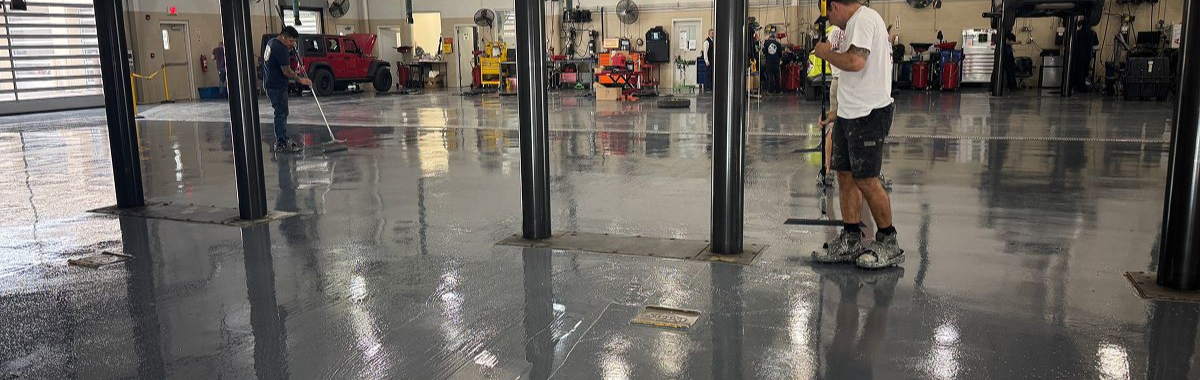
An oil change can turn one parking bay into a work area pretty quickly. Tools come out, parts get set down, and you may spend a few hours moving around the same section of floor. Another weekend could involve repairing furniture, assembling shelving, or tackling a completely different project. Polyaspartic floor coatings are useful here because the same surface can deal with foot traffic, equipment, spills, and project debris during a single afternoon.
I tend to think about what a project actually involves instead of relying on the word “durable” to cover everything. Dropping a hand tool creates a different demand from dragging a sharp metal part across the floor, while automotive work introduces fluids that other projects may not. Screws, metal shavings, and similar debris are worth picking up before they end up beneath a shoe or wheel. None of that keeps you from working in the garage. It simply avoids adding damage that isn't part of normal use.
7. Lawn Equipment and Outdoor Gear
During Tennessee's growing season, mowers and yard equipment can move in and out of the garage regularly. Grass clippings cling to wheels and mower decks, damp soil falls from garden tools, and a wheelbarrow may arrive with half the yard still stuck to its tire. Trimmers, blowers, bags of soil, and other supplies add their own dirt to the mix. One corner of the garage can get messy long before the area around the car does.
Cleanup is where polyaspartic floor coatings become especially practical for this kind of use. Grass, dried soil, and loose debris can be swept from the coated surface instead of settling into unfinished concrete. If a mower leaves behind oil or fuel, I'd wipe it up when I notice it. Most of what comes inside with yard equipment, though, should remain the kind of mess you can clean rather than a permanent reminder of Saturday's yard work.
8. Kids, Pets, Bikes, and Busy Foot Traffic
Some garages barely slow down after the car is parked. Bikes come through, scooters get moved around, sports bags land on the floor, and pets leave wet or muddy paw prints behind. Shoes can carry in grass, dirt, or whatever else someone walked through on the way home. By the end of the day, the floor may have handled far more activity from people and gear than from the parked vehicle.
For a busy garage like this, polyaspartic floor coatings provide a surface suited to more than cars. Bike tires, shoes, paws, and everyday foot traffic can all share the same space without requiring you to treat different parts of the floor differently. What I find especially useful in these garages is how straightforward routine cleanup can be. Dirt near the door is much easier to deal with before it follows everyone into the house.
9. Regular Cleaning and Garage Messes
Even a garage that doesn't see much project work gets dirty. Dust gathers around the edges, road grime builds up near parked vehicles, pollen finds its way inside, and dried mud can remain long after a rainy day. Tennessee's changing seasons can simply change which mess you're dealing with. Bare concrete can hold onto dirt and stains because its porous surface gives them somewhere to settle.
Cleaning polyaspartic floor coatings is generally more straightforward because you're working with a sealed surface. Loose debris can be swept away, while ordinary dirt and residue can usually be handled without aggressive scrubbing. I consider that one of the practical benefits people may appreciate more after living with the floor for a while. Garages get dirty no matter what they're coated with, so how easily you can clean the mess matters.
10. Home Gyms, Hobbies, and Other Garage Activities
Cars aren't the only reason people spend time in their garages. One side may hold a workout bench and weights, while another has a workbench for hobbies or home projects. You might clear the middle to sort camping equipment, assemble furniture, or get bikes ready for a weekend ride. Each activity uses the floor differently, sometimes within the same day.
A finished surface makes it easier for the garage to serve those different purposes without feeling like an unfinished utility space. Polyaspartic floor coatings also offer UV stability, which is useful near an open garage door where sunlight can reach the floor during the day. For heavy gym equipment or weights that may be dropped, I'd use suitable mats where they make sense. They can protect the coating while also adding cushioning and making that part of the garage more comfortable to use.
Conclusion
Few parts of a garage are asked to handle as many different demands as the floor. A parked vehicle, rolling equipment, weekend projects, yard gear, spills, and everyday foot traffic can all share the same surface, sometimes within a matter of hours. Polyaspartic floor coatings are built for that variety, combining durability with resistance to common garage spills, stains, and wear while remaining relatively easy to clean. Basic care can help the surface hold up well, but it doesn't need to dictate how you use the space. Your garage can stay busy, messy, and useful while the floor continues doing its job underneath it all.

CONTACT INFO
DEAS Garage Floors
12210 Dargie Dr,
Arlington, TN 38002
Phone
SCHEDULE A CONSULTATION
Contact us, and we will come out and discuss your project free of charge.