From Day One to Year One: What to Expect From Polyaspartic Floor Coatings

A freshly coated garage floor may look ready for anything as soon as the installers leave, but its first year begins with a short period when patience matters. From curing during those first few days to handling vehicles, spills, grit, changing weather, and regular cleaning months later, polyaspartic floor coatings go through plenty of real-world use during that time. I've seen floors handle years of regular garage activity, but I still tell people that durability doesn't mean every mark, spill, or change in the surface should be ignored. Knowing what to expect at different stages can help you use the floor confidently without feeling like you need to protect it from every little thing.
After years of working with coated garage floors, I've found that people often have more questions once they start using the floor than they did before installation. A tire mark or small scuff can look concerning on a surface that was spotless a few weeks earlier, while peeling or loss of adhesion is something I'd want to look at more closely. Knowing the difference matters, and a few practical habits can help the coating handle everyday garage use without making maintenance feel like another chore.
Over the first 12 months, I'll explain what I expect to see from a properly installed floor, what I recommend doing along the way, and which changes deserve a closer look:
- Day one: Your floor is finished, but it isn't ready for everything yet
- The first 48 hours: Patience matters more than maintenance
- The first week: Normal garage use starts to return
- The first month: You start seeing what daily ownership is really like
- Six months in: Daily use starts telling you more about the floor
- Year one: What should a polyaspartic floor look like after 12 months?
- What shouldn't happen during the first year?
- What determines how your floor performs beyond year one?
Those first hours after installation are a good place to start because what looks like a finished floor still needs time before it's ready for everything your garage normally handles.
Day One: Your Floor Is Finished, but It Isn't Ready for Everything Yet
By the end of installation day, you're probably looking at a garage floor that already seems completely finished. The color is there, the texture is there, and I can understand wanting to start moving your things back in as soon as possible. I'd advise you to hold off, though, because polyaspartic floor coatings continue curing even after the installation work is done. What you see at the end of the day may look finished, but the coating still needs time before the garage goes back to normal.
Part of what makes day one confusing is how quickly the surface can look and feel dry. Maybe you touch a small area and nothing feels tacky, but that alone doesn't tell you whether the floor is ready for a cabinet, tool chest, vehicle, or other heavy load. Dry to the touch and ready for regular garage use aren't necessarily the same point in the curing process.
My advice for day one is pretty simple: enjoy how the floor looks, leave it mostly alone, and follow the cure instructions your installer gave you. I'd resist the urge to test the surface or start putting things back just because it seems ready. Giving it a little more time now is much easier than dealing with a mark or damaged area caused by using the floor too soon. If you spot something that doesn't look right, ask your installer about it before reaching for a cleaner or trying to work on the area yourself.
The First 48 Hours: Patience Matters More Than Maintenance
Once you get past installation day, the question usually changes from "Does the floor look finished?" to "When can I actually use my garage again?" For the coating system we install, we recommend waiting about 24 hours before walking on the floor and 48 hours before bringing vehicles back in. I know that can feel like a long time when your garage is sitting empty, especially if you've had to move cars, storage, or other belongings elsewhere. Giving the coating those extra hours is still a small inconvenience compared with putting heavier demands on it before it's ready.
Foot traffic and vehicle traffic aren't quite the same test for newly installed polyaspartic floor coatings. Walking across the surface puts far less weight and pressure on it than a vehicle does, particularly where four tires concentrate thousands of pounds into relatively small contact areas. That's why I wouldn't use the 24-hour walking point as a signal that everything else can come back at the same time. If you're unsure about moving a particularly heavy item back into the garage, I'd check the instructions for your installation or ask your installer before taking a chance.
Maintenance shouldn't be much of a concern during these first 48 hours either. If you can avoid tracking in dirt, water, or other messes while the floor is still curing, there's usually little reason to clean it at all. Should something accidentally land on the surface, I'd ask your installer how to handle it rather than automatically reaching for a cleaner, brush, or mop. Right now, doing less is often the better choice, because there will be plenty of time for normal cleaning once the garage is back in regular use.
The First Week: Normal Garage Use Starts to Return
Once the first few days have passed, you'll probably be ready to get the garage back in order. Cars can return after the recommended cure time, and tools, storage, and other belongings can gradually come back too. I still wouldn't rush to load everything onto the floor at once. Follow the timing your installer gave you, especially for heavier items.
You'll also start seeing the first signs of normal garage use. Footprints, dust, road grime, and tire marks can appear on polyaspartic floor coatings that were spotless only days earlier. Try cleaning a mark before assuming something has happened to the coating itself. An area that looks loose, starts peeling, or appears to be separating from the concrete deserves more attention.
Heavy cabinets, tool chests, shelving, and equipment are worth handling with some patience as you put everything back. Small wheels or feet can concentrate a lot of weight in one spot. If you're unsure about a particularly heavy item, ask your installer before moving it back. By the end of the first week, the garage should start feeling much more like your normal space again.
The First Month: You Start Seeing What Daily Ownership Is Really Like
Your first month with polyaspartic floor coatings is usually when the garage stops looking untouched and starts looking lived in. Cars, dirt, spills, and regular activity give you a much better idea of what everyday care involves:
- Vehicle traffic: Regular parking should be part of your routine again once the required cure period has passed. Road grime and occasional tire marks can show up, so try cleaning them before assuming the coating has been damaged.
- Dirt and grit: Sand, small stones, dried mud, and similar debris tend to collect around garage entrances and parking areas. Sweep them up when you notice them so tires and shoes aren't dragging grit across the floor.
- Spills and drips: Oil, automotive fluids, dirty water, and other garage spills are best cleaned up reasonably soon. Stain and chemical resistance are useful, but I still wouldn't leave a spill sitting there longer than necessary.
- Routine cleaning: Everyday dirt usually doesn't require aggressive cleaners or hard scrubbing. Start with a mild cleaning method recommended for your floor before reaching for anything stronger.
- Small marks and scuffs: Moving equipment, parking vehicles, and working in the garage can leave occasional cosmetic marks. Lifting or separation from the concrete is different and deserves a closer look.
After a month, you'll probably know which areas get dirty fastest and what your normal cleaning routine needs to cover. There's no need to inspect every little scuff, but changes in the coating itself are worth paying attention to.
Six Months In: Daily Use Starts Telling You More About the Floor
By six months, you've had enough time with the floor to know how it handles your normal garage routine. Vehicles have parked in the same places over and over, and tools or equipment have probably moved across the surface. Spills and cleaning have happened too. Your floor shouldn't feel like something you need to watch constantly anymore.
Depending on when it was installed, the coating may also have gone through Tennessee heat, humidity, rain, and seasonal temperature changes. Wet vehicles can carry water inside, while an open garage door can expose part of the floor to direct sunlight. A busy garage may pick up some cosmetic marks along the way. I'd pay more attention to whether the surface remains firmly bonded than to whether it still looks untouched.
By now, you may notice grit collecting in the same area or one work zone getting dirtier than the rest. Deal with those spots when they need it instead of waiting until the whole garage needs cleaning. Regular care for polyaspartic floor coatings doesn't have to be complicated, and lifting heavy or sharp equipment instead of dragging it can prevent unnecessary marks. Your garage is there to be used, so maintenance should fit into that use rather than get in the way of it.
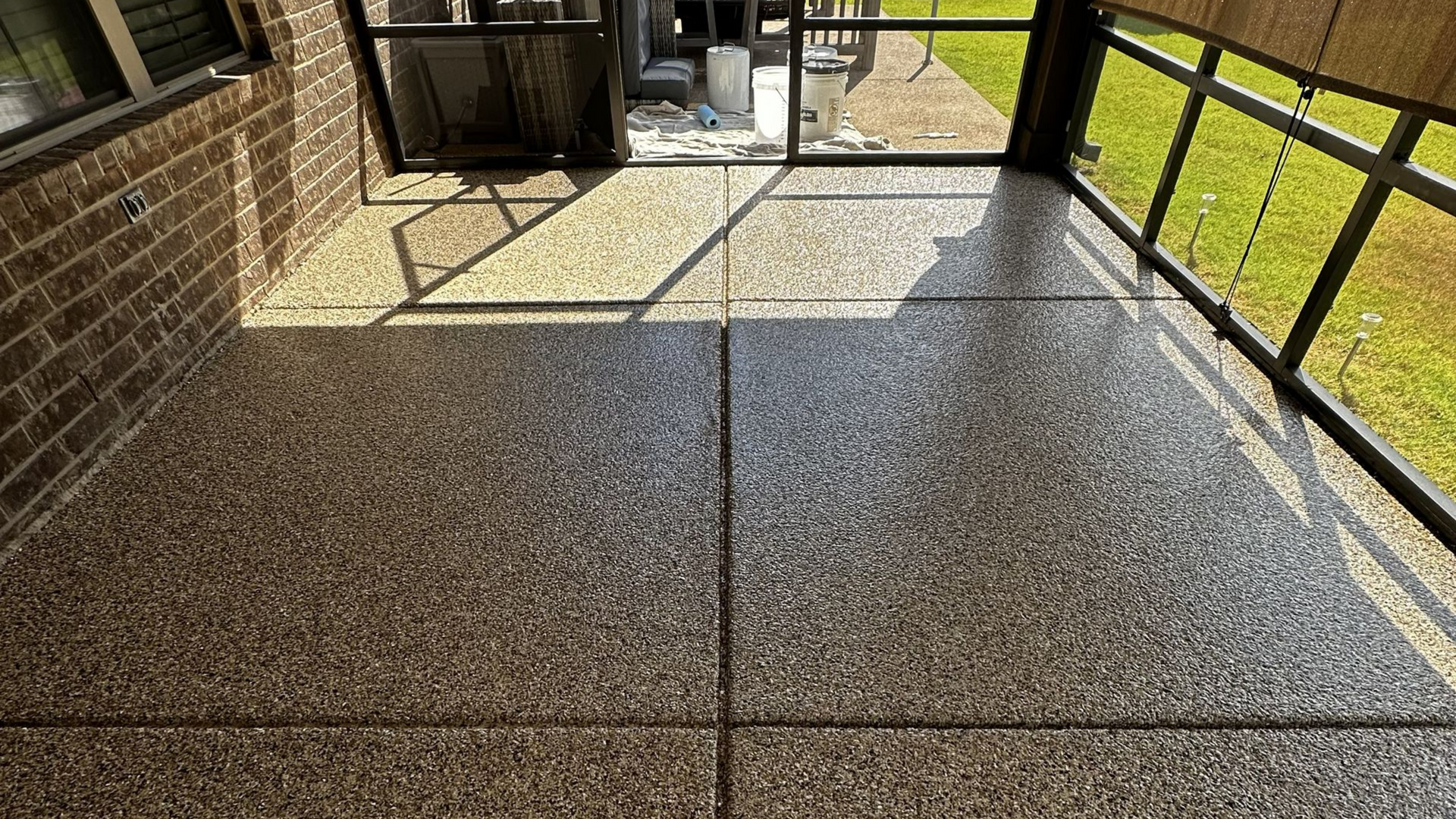
Year One: What Should a Polyaspartic Floor Look Like After 12 Months?
After a year, you've seen how the floor handles vehicles, spills, cleaning, garage projects, and changing seasons. Looking at a few specific areas can help you separate ordinary signs of use from something that deserves more attention:
- Adhesion: Coating should still be firmly attached to the concrete. Peeling, lifting, or separation would concern me much more than dirt, tire marks, or a small cosmetic scratch.
- Overall finish: Your garage may show evidence of the vehicles, equipment, and projects it has handled during the year. A heavily used floor can look different from one that mainly sees light parking and foot traffic.
- Color and appearance: If one area suddenly looks different, clean it according to the recommended care instructions first. Dirt, residue, or a spill may simply be sitting on the surface.
- Cleaning: After 12 months with polyaspartic floor coatings, you should have a pretty good idea of what normally gets the surface clean. If a new mark won't come up with your usual method, find out what caused it before trying a harsher cleaner.
- Signs of regular use: Small scuffs or occasional tire marks can happen in a garage that gets used every day. Peeling, widespread deterioration, and loss of adhesion are different and shouldn't be brushed off as ordinary wear.
Keep what actually happened in your garage during those 12 months in mind when you look over the floor. A space used for weekend car repairs won't age exactly like one used mainly for parking.
What Shouldn't Happen During the First Year?
Some changes are worth calling your installer about rather than waiting to see what happens. Knowing what those changes look like can also keep an ordinary stain or scuff from causing unnecessary concern:
- Peeling: Coating pulling away from the concrete isn't the same as a surface scuff or stain. Take a photo and contact your installer rather than pulling at the loose area or trying to patch it yourself.
- Delamination: Separation between the coating and concrete can point to a problem with the bond. Surface preparation, moisture, slab conditions, or another issue may need to be checked before anyone can tell you why it happened.
- Bubbling or blistering: Raised areas or bubbles deserve attention, especially if more begin appearing nearby. I suggest documenting what you're seeing and have the installer inspect the area instead of puncturing or flattening it yourself.
- Unexpected discoloration: Clean the affected area according to the care instructions before deciding the coating has changed color. Oil, chemicals, dirty water, and residue can alter how the surface looks.
- Unusual wear: Busy parking and work areas can show use sooner than parts of the garage that rarely see traffic. Rapid deterioration in a quiet area would give me more reason to have it checked.
Leave a questionable area of your polyaspartic floor coatings intact until your installer has had a chance to inspect it. Sanding, scraping, peeling, or covering the spot can make it harder to determine what happened.
What Determines How Your Floor Performs Beyond Year One?
Some of what affects your floor years from now was decided before the first vehicle ever came back into the garage. Other parts depend on how the space is used and maintained after installation:
- Concrete condition: Cracks, moisture, contamination, and previous repairs can change what the slab needs before coating begins. Finding those conditions early gives the installer a chance to address them before they're covered.
- Surface preparation: On our projects, we mechanically diamond-grind the concrete before applying the coating system. Proper preparation creates the surface needed for adhesion rather than relying on concrete that simply looks clean.
- Installation quality: Product choice alone doesn't determine how polyaspartic floor coatings will hold up. Concrete repairs, preparation, coating coverage, application conditions, and each layer of the system also matter.
- How you use the garage: Two parked vehicles put different demands on a floor than automotive repairs, woodworking, rolling equipment, or frequent DIY projects. More demanding use can mean more spills, grit, chemical exposure, and abrasion.
- Environmental exposure: Tennessee heat, humidity, rain, and temperature changes can affect the conditions inside a garage throughout the year. Sunlight can also reach the floor near an open door, with some garages getting much more exposure than others.
- Cleaning and maintenance: Sweep up grit when it collects and clean spills instead of leaving them for long periods. Stick with cleaning products intended for the coating rather than experimenting with harsh chemicals when ordinary cleaning will do the job.
Age alone doesn't tell you how well a floor is holding up. How the slab was prepared, how the coating was installed, and what the garage has handled since then give you much more useful information.
Conclusion
By the end of the first year, your garage floor has been through far more than the cure period that followed installation. Daily traffic, spills, cleaning, changing weather, and regular projects give you a much better sense of how polyaspartic floor coatings perform in a garage that's actually being used. A few scuffs or dirty spots wouldn't worry me, but peeling, separation, or other changes in the coating itself are worth having checked. Keep up with basic cleaning, deal with spills when they happen, and avoid putting unnecessary wear on the surface. From there, use the floor as intended and pay attention if something starts behaving differently than it has throughout the year.

CONTACT INFO
DEAS Garage Floors
12210 Dargie Dr,
Arlington, TN 38002
Phone
SCHEDULE A CONSULTATION
Contact us, and we will come out and discuss your project free of charge.