Blog
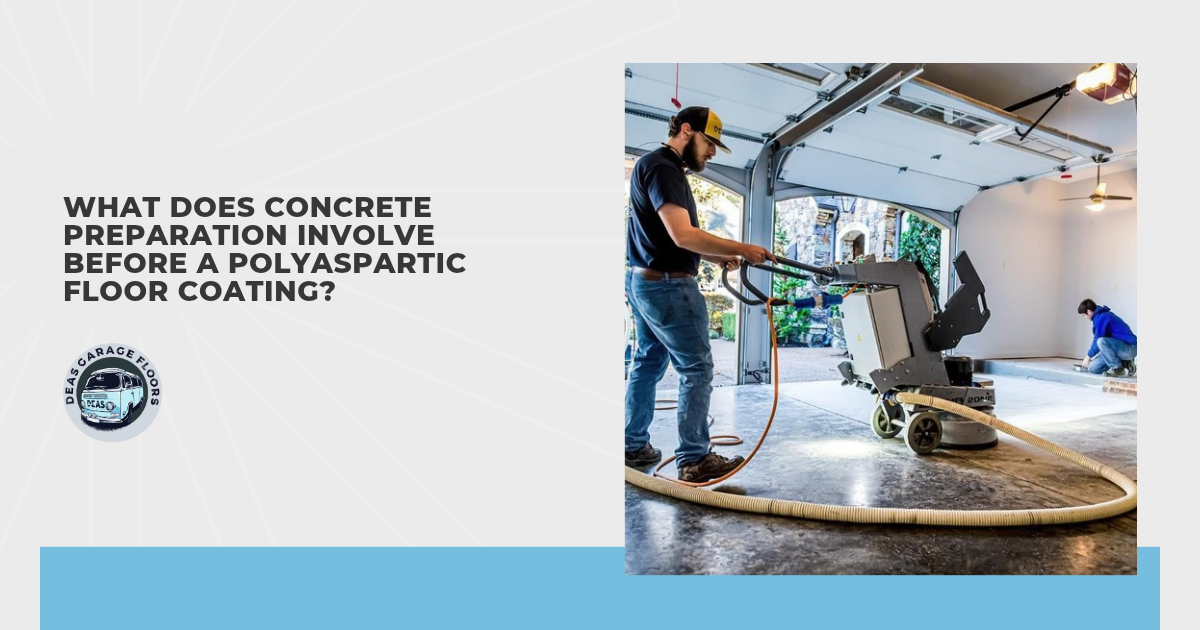
Concrete preparation before a polyaspartic floor coating involves checking the slab, removing oil and old finishes as needed, grinding the surface, repairing damaged areas, and cleaning up the dust. A final check confirms that the floor is ready for the base coat. I put a lot of importance on this work because even a good coating needs a clean, solid surface with the right texture to bond properly. If you’re planning a garage floor project in Tennessee, knowing what preparation involves can help you understand the work included in your estimate. Peeling paint, an old oil spill, and chipped concrete each need different attention, so the preparation will depend on what’s on your floor. Grinding may also uncover damage that wasn’t visible at first, which can mean additional repairs before coating begins. Let’s walk through what concrete preparation involves before polyaspartic floor coatings are applied: Step 1: Concrete inspection and repair assessment Step 2: Oil, grease, and contaminant removal Step 3: Old coating removal and diamond grinding Step 4: Crack, pit, and surface repairs Step 5: Dust and debris removal Step 6: Final surface and application checks
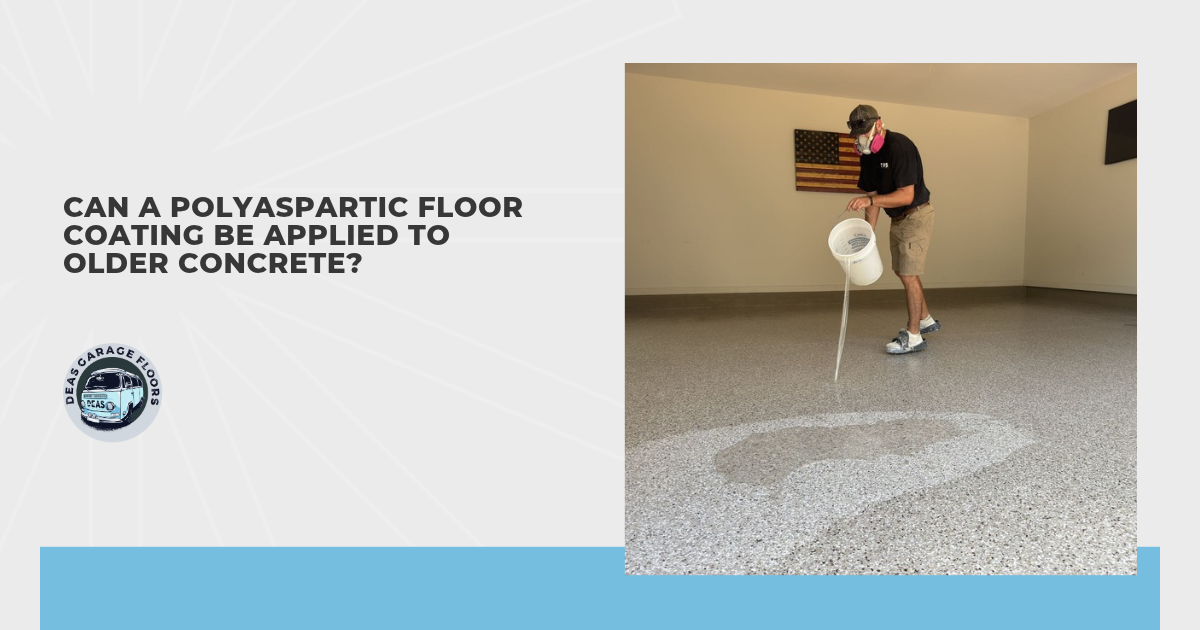
Years of parking, oil drips, and weekend projects can leave you wondering whether your garage floor is too far gone for a coating. The good news is that polyaspartic floor coatings can be applied to older concrete, provided the slab is sound and properly prepared. Before you assume the floor needs replacing, I suggest looking beyond its age and finding out what condition the concrete is actually in. If you’re weighing the options for your Tennessee garage, you don’t need to diagnose every crack or stain yourself. It helps, though, to understand what an installer should check and why it matters. Some surface damage can be repaired, while ongoing movement or moisture problems may need more work before a coating is appropriate. Let’s look at the conditions that determine whether a polyaspartic floor coating is suitable for your existing concrete: Older concrete can be coated if it’s sound Cracks and pitting don’t always rule out a coating Oil and old finishes must be addressed first Moisture can affect whether coating is an option Proper preparation makes suitable older concrete ready for coating Some concrete needs more than a floor coating

A freshly coated garage floor may look ready for anything as soon as the installers leave, but its first year begins with a short period when patience matters. From curing during those first few days to handling vehicles, spills, grit, changing weather, and regular cleaning months later, polyaspartic floor coatings go through plenty of real-world use during that time. I've seen floors handle years of regular garage activity, but I still tell people that durability doesn't mean every mark, spill, or change in the surface should be ignored. Knowing what to expect at different stages can help you use the floor confidently without feeling like you need to protect it from every little thing. After years of working with coated garage floors, I've found that people often have more questions once they start using the floor than they did before installation. A tire mark or small scuff can look concerning on a surface that was spotless a few weeks earlier, while peeling or loss of adhesion is something I'd want to look at more closely. Knowing the difference matters, and a few practical habits can help the coating handle everyday garage use without making maintenance feel like another chore. Over the first 12 months, I'll explain what I expect to see from a properly installed floor, what I recommend doing along the way, and which changes deserve a closer look: Day one: Your floor is finished, but it isn't ready for everything yet The first 48 hours: Patience matters more than maintenance The first week: Normal garage use starts to return The first month: You start seeing what daily ownership is really like Six months in: Daily use starts telling you more about the floor Year one: What should a polyaspartic floor look like after 12 months? What shouldn't happen during the first year? What determines how your floor performs beyond year one? Those first hours after installation are a good place to start because what looks like a finished floor still needs time before it's ready for everything your garage normally handles.
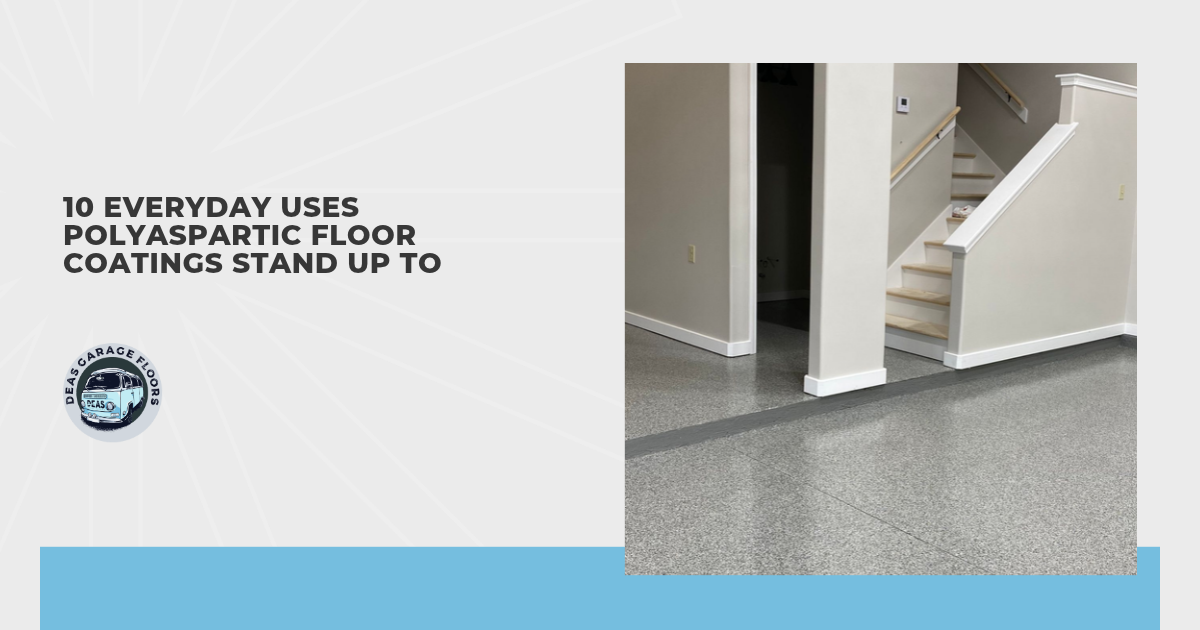
Find out how polyaspartic floor coatings handle hot tires, spills, muddy gear, heavy tools, and other demands that are common in a busy Tennessee home garage.

Learn how to pick commercial floor coatings based on your industry's traffic, chemical exposure, safety needs, cleaning demands, downtime, and daily operations.
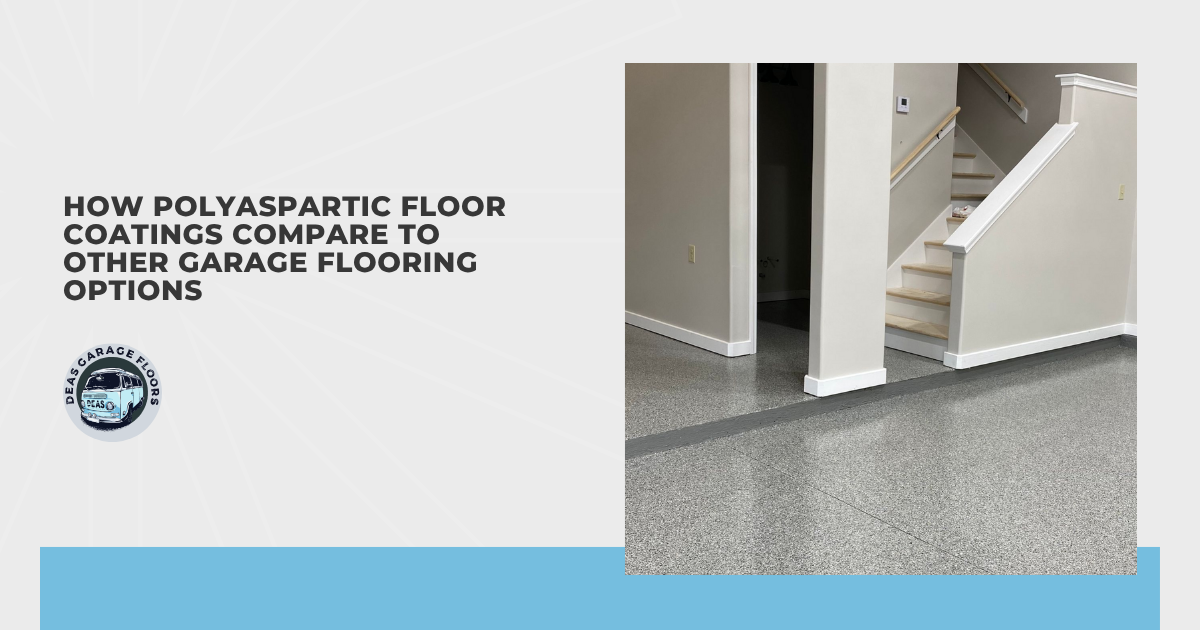
Learn what sets polyaspartic floor coating apart from other garage flooring options, with insights on durability, performance, installation, upkeep, and more.
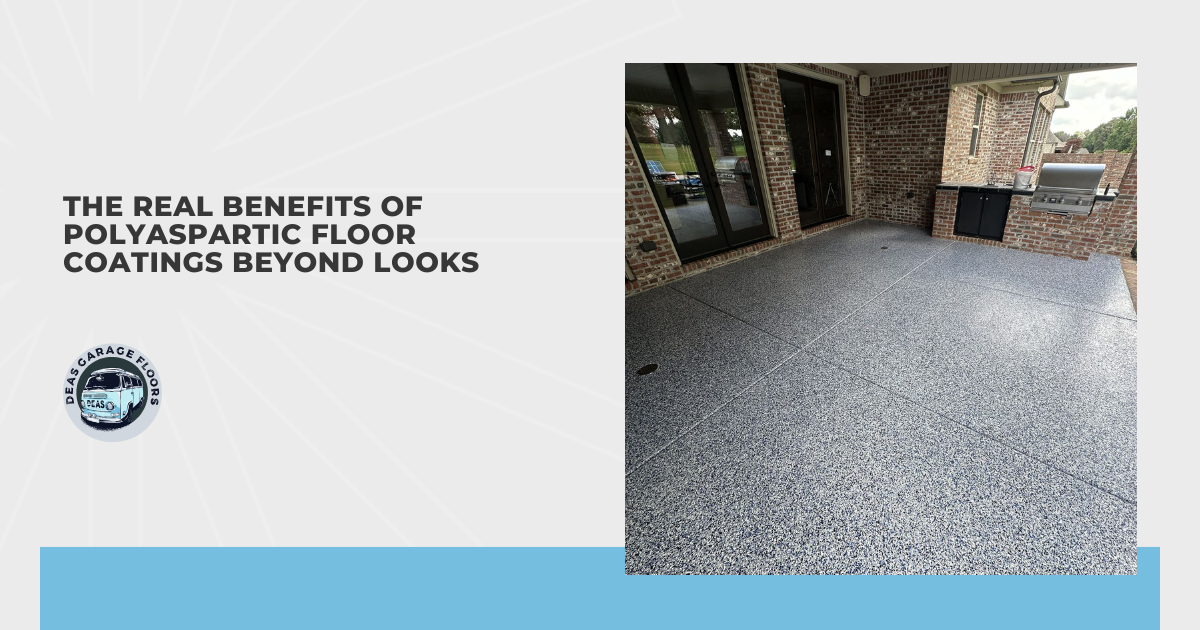
See how polyaspartic floor coatings add value beyond appearance, from quick installation turnaround and chemical resistance to long-lasting concrete protection.

Find the ideal commercial floor coatings for your warehouse with a side-by-side breakdown of durability, chemical resistance, and lasting value for busy floors.
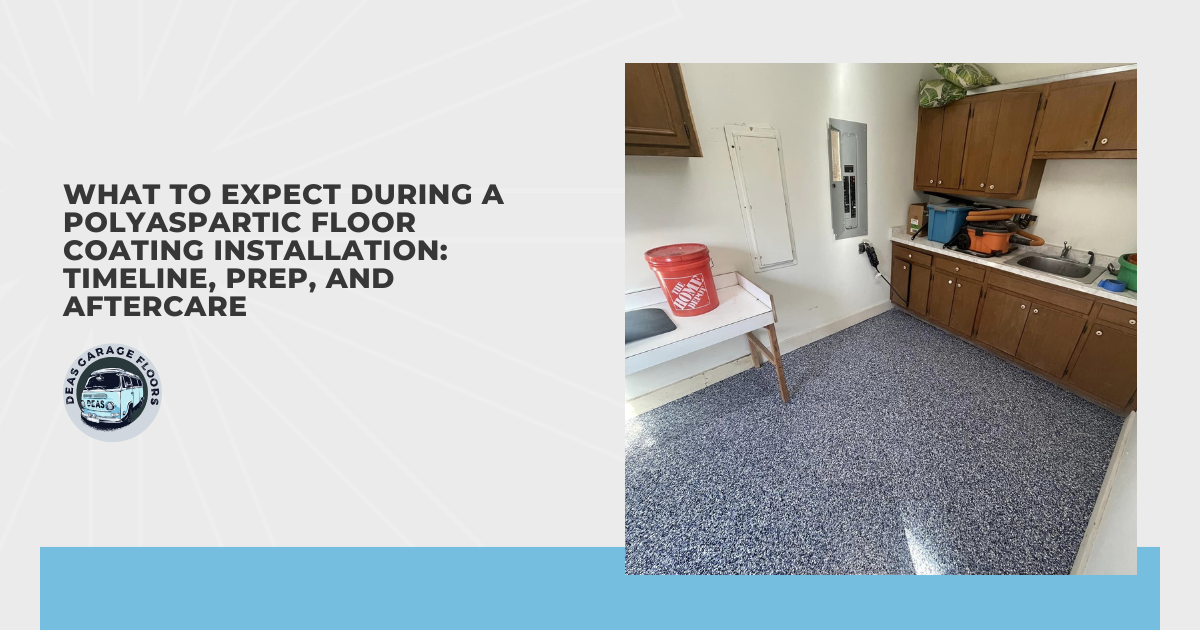
Learn what to expect before, during, and after polyaspartic floor coating installation, from the preparation and application to cure time and long-term care.

CONTACT INFO
DEAS Garage Floors
12210 Dargie Dr,
Arlington, TN 38002
Phone
(901) 786-4477
SCHEDULE A CONSULTATION
Contact us, and we will come out and discuss your project free of charge.