Can a Polyaspartic Floor Coating Be Applied to Older Concrete?
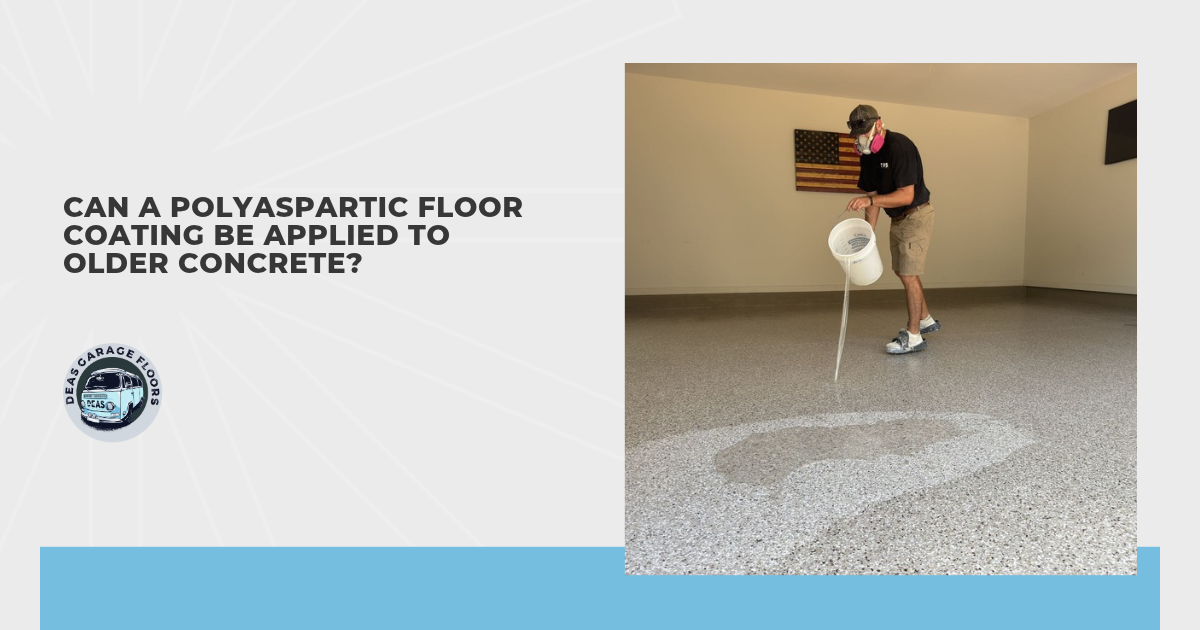
Years of parking, oil drips, and weekend projects can leave you wondering whether your garage floor is too far gone for a coating. The good news is that polyaspartic floor coatings can be applied to older concrete, provided the slab is sound and properly prepared. Before you assume the floor needs replacing, I suggest looking beyond its age and finding out what condition the concrete is actually in.
If you’re weighing the options for your Tennessee garage, you don’t need to diagnose every crack or stain yourself. It helps, though, to understand what an installer should check and why it matters. Some surface damage can be repaired, while ongoing movement or moisture problems may need more work before a coating is appropriate.
Let’s look at the conditions that determine whether a polyaspartic floor coating is suitable for your existing concrete:
- Older concrete can be coated if it’s sound
- Cracks and pitting don’t always rule out a coating
- Oil and old finishes must be addressed first
- Moisture can affect whether coating is an option
- Proper preparation makes suitable older concrete ready for coating
- Some concrete needs more than a floor coating
Older Concrete Can Be Coated if It’s Sound
“Sound concrete” may sound technical, but it simply means the concrete is strong and firmly intact rather than loose or crumbling. Your floor can look worn and still provide a suitable foundation for a coating. An installer will check whether solid concrete remains beneath that worn surface and whether any weak areas can be removed and repaired.
For that reason, I wouldn’t rule out your floor simply because it has been there for decades. Its history offers more useful clues: has the surface stayed much the same, or have sections started breaking apart? Let the installer know about changes you’ve noticed, including recurring damage or repairs that haven’t held up. Even if you don’t know what caused the problem, sharing what you’ve seen gives your installer a helpful starting point.
A polyaspartic floor coating bonds to the prepared surface, so the strength of that surface matters. Even a strong coating can come away if the concrete beneath it breaks loose. If preparation exposes a firm, intact surface, the slab’s age alone doesn’t prevent it from being coated. Moisture, contamination, and other conditions still need checking, but an older floor isn’t automatically out of the running.
Cracks and Pitting Don’t Always Rule Out a Coating
Even if your floor has small cracks or shallow pits, replacement may not be necessary. Pitting refers to small holes or depressions in the surface, and some of that damage may be repairable before coating. The important questions are how deep the damage goes and whether the surrounding concrete is still holding together. A worn patch near the garage entrance may need a different repair from a crack running across the floor.
Changes over time can help your installer understand what’s happening. If a crack has widened, reopened after a repair, or developed an uneven edge, mention it during the inspection. Those changes can point to movement that needs further assessment. You don’t need to know the cause, but an old photo can help show how the area has changed.
Where the damage is stable and limited to specific areas, repairs may be possible using materials compatible with the coating system. Loose concrete needs to be removed, and the repairs must be ready to receive the coating according to the product instructions. One distinction I’d make here is that filling a crack doesn’t stop the slab from moving. If movement continues, the crack can show through again, which is why understanding the damage matters as much as repairing its appearance.
Oil and Old Finishes Must Be Addressed First
After a thorough wash, your garage floor may still have residue that interferes with a coating’s bond. Oil can soak into the concrete, while sealers may leave a film that’s difficult to see. I wouldn’t assume the floor is ready for coating just because it looks clean.
With an old oil stain, the color alone doesn’t tell you whether the area can be coated. What matters is whether enough oil can be removed to allow the coating to bond properly. Deeply soaked areas may need repeated treatment or removal of affected concrete. Grinding is part of surface preparation, but it doesn’t necessarily solve every oil problem.
Peeling paint needs attention for a different reason: anything applied over it relies on that paint staying attached. A polyaspartic floor coating won’t secure paint that’s already lifting from the concrete. Your installer should check whether the old finish needs complete removal or whether the coating manufacturer allows it to stay beneath the new system. If it can stay, your installer still needs to prepare it so the new coating can bond properly.
Moisture Can Affect Whether Coating Is an Option
Concrete can look dry while moisture is moving through it from the ground below. An older slab isn’t automatically free of moisture simply because it has been there for decades. A polyaspartic floor coating needs conditions that meet the chosen system’s requirements, because excess moisture can cause bubbling or make the coating pull away from the concrete.
Recurring damp patches, water along the garage walls, or white, powdery deposits on the floor are worth bringing up when discussing the project. Those deposits can form when moisture carries salts to the surface and then evaporates, though they don’t explain the source on their own. Photos of where water appears after rain can help show a problem that isn’t visible on a dry day. The absence of visible signs, however, doesn’t establish that moisture conditions are suitable.
I wouldn’t treat a new finish as a way to seal over an ongoing water problem. A leak or drainage issue may need correcting before coating work can proceed, while moisture coming through the slab may require a different approach. Not every damp area rules out a coating, but the cause needs attention so the proposed solution addresses the problem.
Proper Preparation Makes Suitable Older Concrete Ready for Coating
Your floor needs more than a good cleaning before it’s ready for a coating. Diamond grinding removes weak surface material and creates the texture needed for the base coat to grip. The amount of grinding depends on the concrete’s condition and the coating manufacturer’s requirements. The aim is to leave a firm, properly textured surface rather than simply make the floor look smoother.
Edges and areas around fixed obstacles need the same attention as the open floor. The grinder used on the main floor may not reach every corner, so those spots need separate attention. It’s one reason I put more weight on thorough preparation than on how quickly the coating can be applied. A fast-curing polyaspartic floor coating still needs a well-prepared surface beneath it.
Any repaired areas also need time to set before your installer coats them, following the repair product’s instructions. Dust and loose debris must be removed so the base coat can bond to the prepared concrete. Your installer also needs to check that the floor temperature and surrounding conditions are suitable for application. Preparation may reveal damage that wasn’t visible earlier, so additional repairs can sometimes change the schedule.
Some Concrete Needs More Than a Floor Coating
Sometimes the concrete needs repairs that go beyond preparing its surface. Sections that have sunk, noticeable differences in height across a crack, or large areas that keep crumbling deserve a closer assessment. A coating follows the concrete beneath it, so it won’t lift a sunken section or restore a weakened slab. Those conditions may call for concrete repair or replacement of affected areas before coating becomes an option.
I know that can be disappointing when you’re hoping to improve the floor you already have. Still, it’s worth asking whether a proposed repair addresses the cause of the damage or only covers what you can see. A concrete repair specialist or structural professional may need to assess the problem before coating work proceeds. Getting that assessment first can help you avoid paying for a finish over concrete that continues to deteriorate.
Replacement isn’t automatically necessary for the entire floor. The appropriate work depends on how much concrete is affected and what caused the problem. Ask for a clear explanation of which areas can remain, which need repair, and why. Once those issues are resolved, the floor can be reassessed for a coating.
Conclusion
An older garage floor may still have plenty of use left in it, and a polyaspartic floor coating can be an option when the concrete meets the system’s requirements. I wouldn’t dismiss a worn floor because of its age, but I also wouldn’t expect a coating to fix the concrete beneath it. The assessment should leave you with a clear explanation of what can be repaired, what preparation is needed, and whether any problems must be resolved first. With those answers, you can decide how to improve the floor you already have without overlooking work it needs.

CONTACT INFO
DEAS Garage Floors
12210 Dargie Dr,
Arlington, TN 38002
Phone
SCHEDULE A CONSULTATION
Contact us, and we will come out and discuss your project free of charge.