How to Clean Polyaspartic Floor Coatings
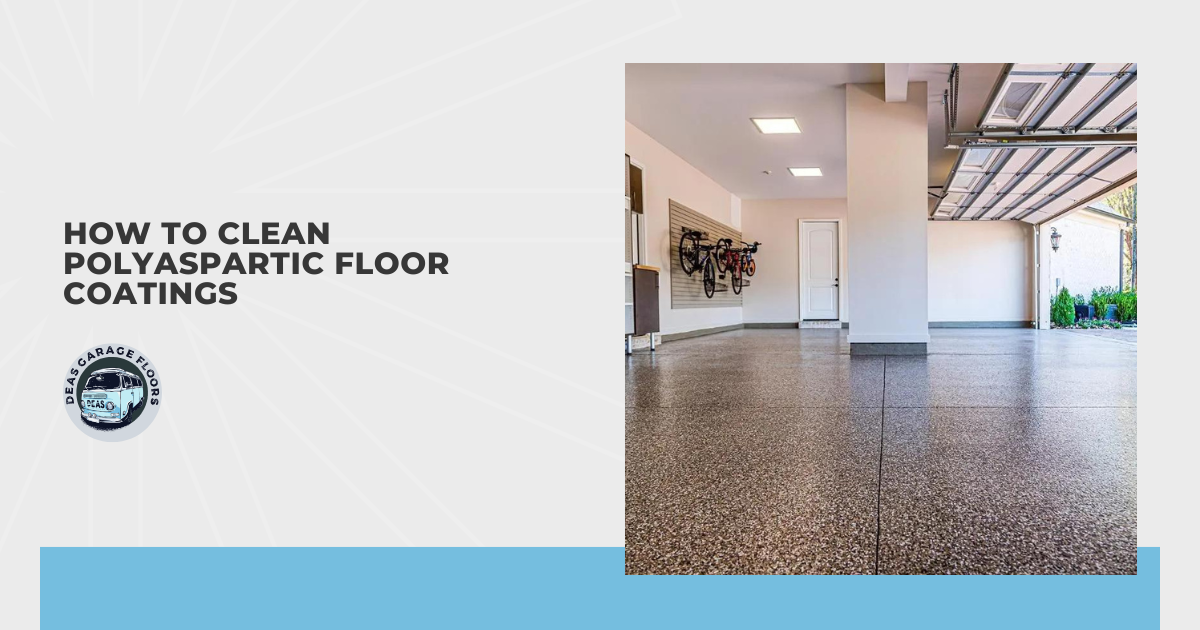
Polyaspartic floor coatings are built to last. They're tough against oil drips, tire marks, salt, and everyday garage traffic. But like anything worth having, a little regular care goes a long way. Skipping routine cleaning lets dirt, grit, and chemicals gradually dull the finish and, in worst-case scenarios, work their way into micro-abrasions that are completely avoidable. A simple cleaning routine keeps your coating looking showroom-fresh and extends the life of your floor for years to come.
Our team put together this guide alongside a cleaning video to walk you through the best way to care for your polyaspartic floor coatings, from the supplies you need to a simple step-by-step cleaning process and how often to do it.
- What you'll need to get started
- Step-by-step: Cleaning your polyaspartic floor
- How often should you clean your polyaspartic floor
- Common garage floor cleaning mistakes to avoid
It only takes about 20-30 minutes, and you probably already have everything you need.
What You'll Need to Get Started
Here are the supplies you will need to clean your polyaspartic garage floor, and most of these you may already have at home.
- Broom or leaf blower
- Push broom
- Hose
- Neutral floor cleaner
- Squeegee
- Microfiber mop or towel
Now that you have everything together, let's walk you through the cleaning process.
Step-by-Step: Cleaning Your Polyaspartic Floor
Keeping your polyaspartic floor coating looking its best is easier than you might think. We put together these five steps to show you exactly how to clean your garage floor from start to finish.
- Clear the Surface: Before introducing any water to the floor, take a few minutes to sweep or blow out any loose dirt, leaves, and debris. This prevents mud from spreading around when you start rinsing and makes the rest of the process much easier.
- Rinse & Loosen Buildup: Using a hose or push broom and water, spray off or scrub away any stubborn dirt, grease, or grime that the dry sweep left behind. Getting rid of this buildup now means your cleaner will work more effectively in the next step.
- Deep Clean: Mix your neutral floor cleaner with water and scrub the entire surface, making sure to work the solution into any heavily soiled areas. We recommend using a Simple Green solution, as it is tough on grime without damaging your polyaspartic coating.
- Rinse & Remove Excess Water: Once you have finished scrubbing, rinse the floor thoroughly with clean water to wash away all the soap and loosened debris. Follow up with a squeegee to push the excess water out of the garage and off the surface completely
- Dry the Surface: Give the floor time to air dry, or speed things up by going over it with a microfiber mop or towel. Either way, make sure the surface is fully dry before parking any vehicles back in the garage.
It really is that simple, and doing it consistently is what keeps your polyaspartic floor coating looking great over time.
How Often Should You Clean Your Polyaspartic Floor?
For most homeowners, a quick sweep once a week is enough to keep loose dirt and debris from building up on the surface. If you want a more thorough clean, we recommend going through the full five step process once a month to keep your polyaspartic floor coating in top condition. Think of it as a small habit that pays off in a big way over time.
For busier garages or during Tennessee's rainier seasons, you may want to clean more frequently to stay on top of any buildup. The more consistent you are, the better your floor will look over time.
Common Garage Floor Cleaning Mistakes to Avoid
Even with the best intentions, there are a few cleaning habits that can do more harm than good to your polyaspartic floor coating. Here are some of the most common mistakes we see and how to avoid them.
- Using harsh or acidic cleaners:
Cleaners containing bleach, vinegar, or citrus-based ingredients can break down the topcoat of your polyaspartic coating over time. Always stick to a pH-neutral floor cleaner like Simple Green to keep your coating in good shape.
- Skipping the initial sweep:
Mopping over loose sand and grit without sweeping first is like sanding your floor, as the debris acts as an abrasive and can leave micro-scratches in the coating. Always take a few minutes to sweep or blow out the surface before introducing any water.
- Letting spills sit:
While polyaspartic coatings are highly resistant to chemicals, certain fluids can stain or damage the surface if left to sit for too long. Wipe up any spills as soon as they happen to keep your coating looking its best.
- Pressure washing on high settings:
A light rinse with a garden hose is all you need for routine cleaning, as blasting the floor at high pressure can eventually lift the coating along edges and seams. Save the pressure washer for other projects and stick to a standard hose for your garage floor.
- Leaving the floor wet after cleaning: Leaving standing water on your polyaspartic floor for extended periods can lead to water spots and residue buildup on the surface. Always finish with a squeegee and a microfiber mop or towel to make sure the floor is completely dry.
Avoiding these mistakes will go a long way in keeping your polyaspartic floor coating looking great and performing at its best. When in doubt, less is more when it comes to cleaning products and equipment.
Conclusion
Caring for your polyaspartic floor coating does not have to be complicated. With the right supplies, a few good habits, and a little consistency, your garage floor will stay looking its best for years to come. The right routine makes all the difference, and now you have everything you need to get started.

CONTACT INFO
DEAS Garage Floors
12210 Dargie Dr,
Arlington, TN 38002
Phone
SCHEDULE A CONSULTATION
Contact us, and we will come out and discuss your project free of charge.